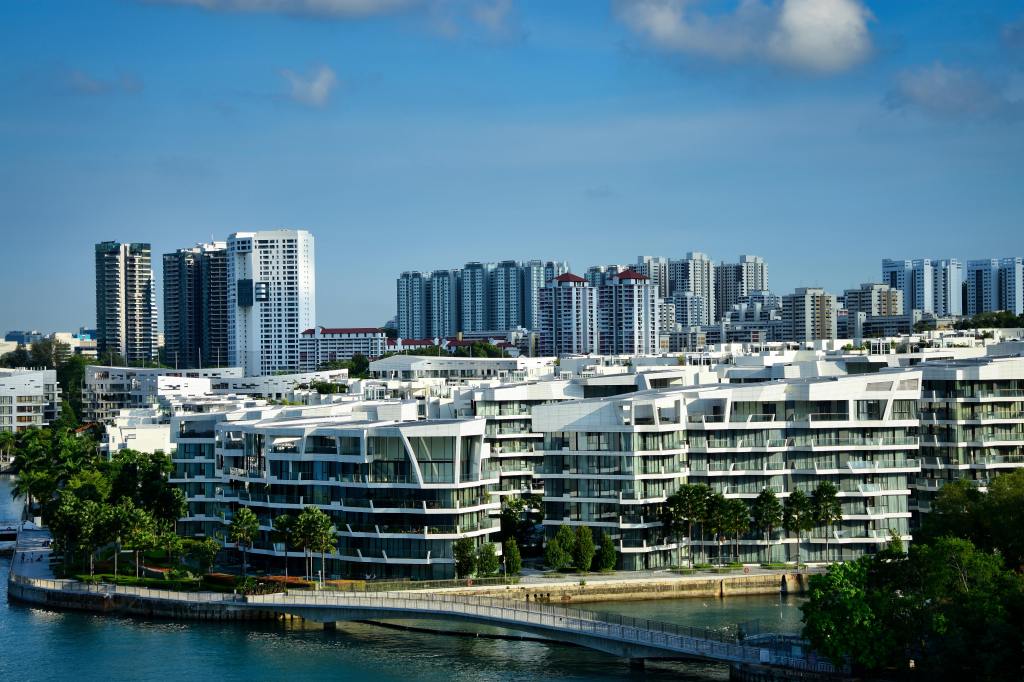
Ever thought of your home as more than just a place to live? For many Singaporeans, property is a significant asset, and it holds a “hidden power”. Its equity. If you’re facing big expenses like home renovations, education fees, or exploring investment opportunities, tapping into your home’s equity through an equity loan could be a viable solution.
Understanding Home Equity
At its core, home equity is the difference between your property’s current market value and the outstanding balance of your mortgage loan.
Formula: Home Equity = Current Market Value of Property – Outstanding Mortgage Loan
For example, if your property is valued at $1 million and you still owe $400,000 on your mortgage, your home equity is $600,000.
Factors Affecting Home Equity
Your home equity isn’t static; it changes over time due to two main factors:
- Property Value Appreciation/Depreciation: As Singapore’s property market fluctuates, the value of your home can increase (appreciate) or decrease (depreciate), directly affecting your equity.
- Mortgage Repayments: With each mortgage repayment, you reduce the outstanding loan amount, thus increasing your equity.
How Equity Loans Work
Loan Amount
Lenders determine the maximum loan amount based on a Loan-to-Value (LTV) ratio. This ratio represents the percentage of your home’s value that you can borrow. MAS regulations and individual bank policies influence LTV limits.
Interest Rates
Interest rates can be fixed or variable. Fixed rates offer stability, while variable rates may be lower initially but can fluctuate with market conditions. Factors influencing rates include the borrower’s creditworthiness and prevailing market rates.
Repayment Terms
Loan tenures typically range from a few years to several decades, affecting your monthly installments. Longer tenures mean lower monthly payments but higher overall interest costs.
Eligibility Criteria (Singapore-Specific)
Lenders in Singapore have specific eligibility criteria:
- Property Type: Both HDB flats and private properties can be eligible, but there might be differences in loan terms and restrictions. HDB regulations may impose limitations on using equity loans.
- Minimum Equity Requirements: Banks set minimum equity levels that borrowers must meet to qualify.
- Borrower’s Creditworthiness: A good credit score and stable income are essential. Lenders assess your ability to repay the loan.
- Age and Residency Status: Age restrictions and residency requirements (e.g., Singaporean Citizen, Permanent Resident) may apply.
The Monetary Authority of Singapore (MAS) regulates property loans in Singapore to ensure financial stability and responsible lending practices. It’s crucial to be aware of any relevant MAS guidelines that may affect equity loans.

Purposes of Equity Loans
Common Uses
- Home Renovations: Upgrading your home to increase its value and improve living comfort.
- Education Expenses: Funding university fees or overseas studies.
- Medical Expenses: Covering unexpected medical costs.
- Investment Opportunities: Investing in a business or other assets (proceed with caution).
- Debt Consolidation: Combining multiple debts into a single loan with potentially lower interest rates.
Responsible Use
It’s crucial to use equity loans responsibly:
- Prioritise using them for value-adding purposes that can improve your long-term financial situation.
- Avoid using them for frivolous or unnecessary spending.
Risks and Considerations
Risk of Foreclosure
This is the most significant risk. Your home serves as collateral, and defaulting on the loan can lead to foreclosure, meaning you could lose your property.
Interest Rate Fluctuations (for Variable Rates)
If you opt for a variable interest rate, your monthly repayments can increase if interest rates rise, potentially straining your finances.
Impact on Credit Score
While responsible repayment can improve your credit score, late or missed payments will negatively impact it, making it harder to obtain future loans.
Hidden Costs
Be aware of potential hidden costs:
- Loan processing fees
- Property valuation fees
- Legal fees
- Early repayment penalties (if applicable)
Over-Leveraging
Borrowing too much can lead to over-leveraging, where your debt burden becomes unsustainable. Carefully assess your repayment capacity.
Comparing Equity Loan Options in Singapore
Banks and Financial Institutions
Several major banks and financial institutions in Singapore offer equity loans.
Comparison Factors
When comparing options, consider these factors:
- Interest Rates: Compare fixed and variable rates, and understand how variable rates are calculated.
- Loan Amounts and LTV Ratios: Check the maximum loan amounts and the lenders’ LTV limits.
- Fees and Charges: Scrutinise all fees involved.
- Repayment Flexibility: Inquire about repayment options and any penalties for early repayment.
- Customer Service and Support: Choose a lender with a good reputation for customer service.
Application Process
Required Documents
Typical documents include:
- Property valuation report
- Proof of income (e.g. payslips, tax statements)
- CPF statements
- Existing loan statements (if any)
- Identification documents (NRIC)
Step-by-Step Guide
The general process involves:
- Submitting a loan application to the lender.
- The lender assessing your eligibility and potentially conducting a property valuation.
- Loan approval (or rejection).
- Loan disbursement if approved.
Alternatives to Equity Loans
Explore these alternatives:
- Personal Loans: Unsecured loans that may be easier to obtain but often come with higher interest rates.
- Refinancing Mortgage: Potentially lower your monthly mortgage payments or access some cash, but it extends your mortgage tenure.
- Government Schemes: Check for any relevant government schemes that might offer financial assistance for specific purposes (e.g., home improvement).
- Savings and Investments: Consider using existing savings or liquidating investments if feasible, to avoid incurring debt.
Equity loans can be a powerful financial tool for Singaporean homeowners, providing access to funds for significant life events and opportunities. However, it’s crucial to remember that they are loans secured against your property, carrying the risk of foreclosure if not managed responsibly. By carefully understanding the terms, considering the risks, and using them wisely, you can harness the “hidden power” of your home to achieve your financial goals.
Disclaimer: This article is intended for general information purposes only and should not be considered financial advice. Investing involves risk, including the possible loss of principal. Past performance is not indicative of future results. Please consult with a qualified financial advisor before making any investment decisions based on your specific financial situation and objectives.
 Joel Khoo